
If you’ve ever thought:
“I already sent this.”
“Surely they can see that themselves.”
“Why are they being so pedantic?”
You’re not alone.
Almost every client thinks this at some point.
And it’s completely understandable.
But here’s the honest reason accountants ask so many questions:
because guessing is how mistakes, penalties and stress happen.
Let’s explain this properly.
It’s not about being difficult
Accountants don’t ask for information because they enjoy chasing people.
They ask because:
-
We’re legally responsible for the work
-
HMRC expects accuracy, not assumptions
-
Small details change outcomes
What feels like a tiny question to you can have a big impact on tax, compliance or risk.
Accounting isn’t about numbers. It’s about evidence
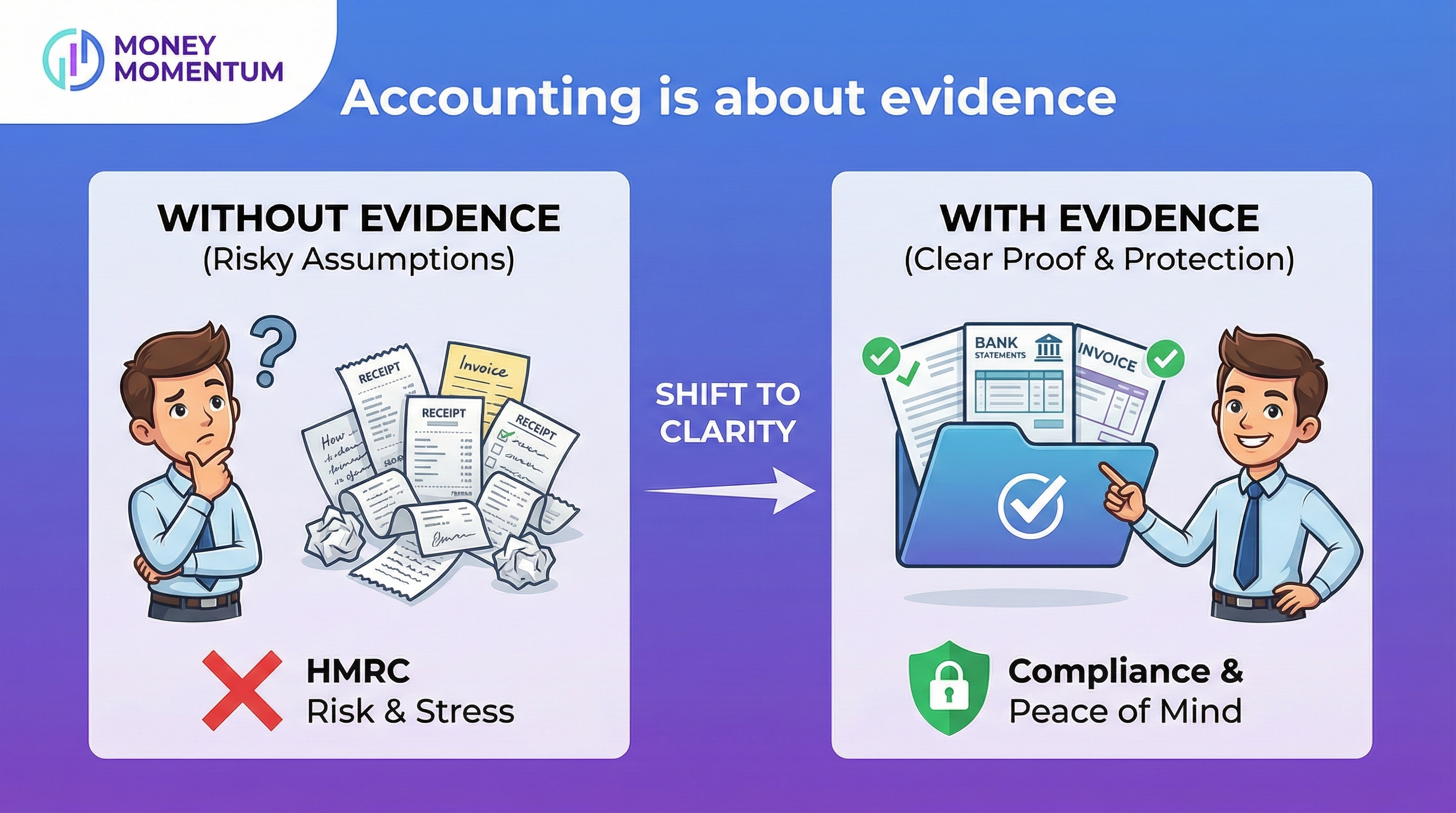
HMRC doesn’t care what “usually happens” or what “should be fine”.
They care about:
-
What actually happened
-
When it happened
-
Why it happened
-
And whether it can be backed up
That’s why accountants ask for:
-
Clarification
-
Dates
-
Explanations
-
Supporting documents
It’s not admin for admin’s sake.
It’s protection.
Why “it’s probably fine” isn’t enough
One of the most dangerous phrases in accounting is:
“It’s probably fine.”
If something is queried later, your accountant needs to be able to say:
-
This was explained
-
This was checked
-
This was reasonable
Without that, everyone is exposed.
Asking now avoids apologising later.
The timing matters more than people realise
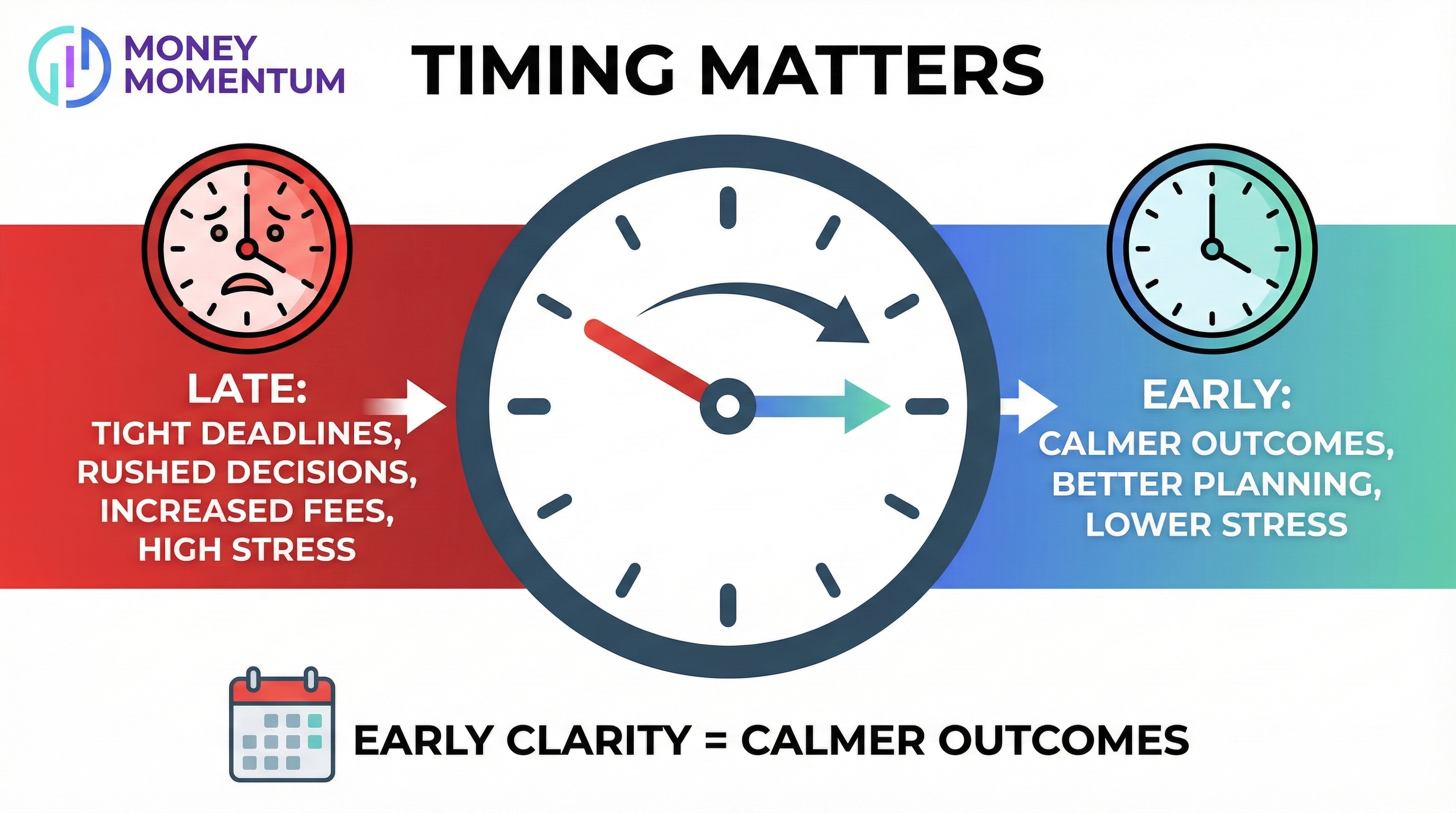
When information comes in late:
-
Deadlines get tight
-
Decisions become rushed
-
Fees often increase
-
Stress levels rise
It’s rarely about the amount of work.
It’s about the pressure created when things land at the last minute.
Early clarity equals calmer outcomes.
The real cost of missing details
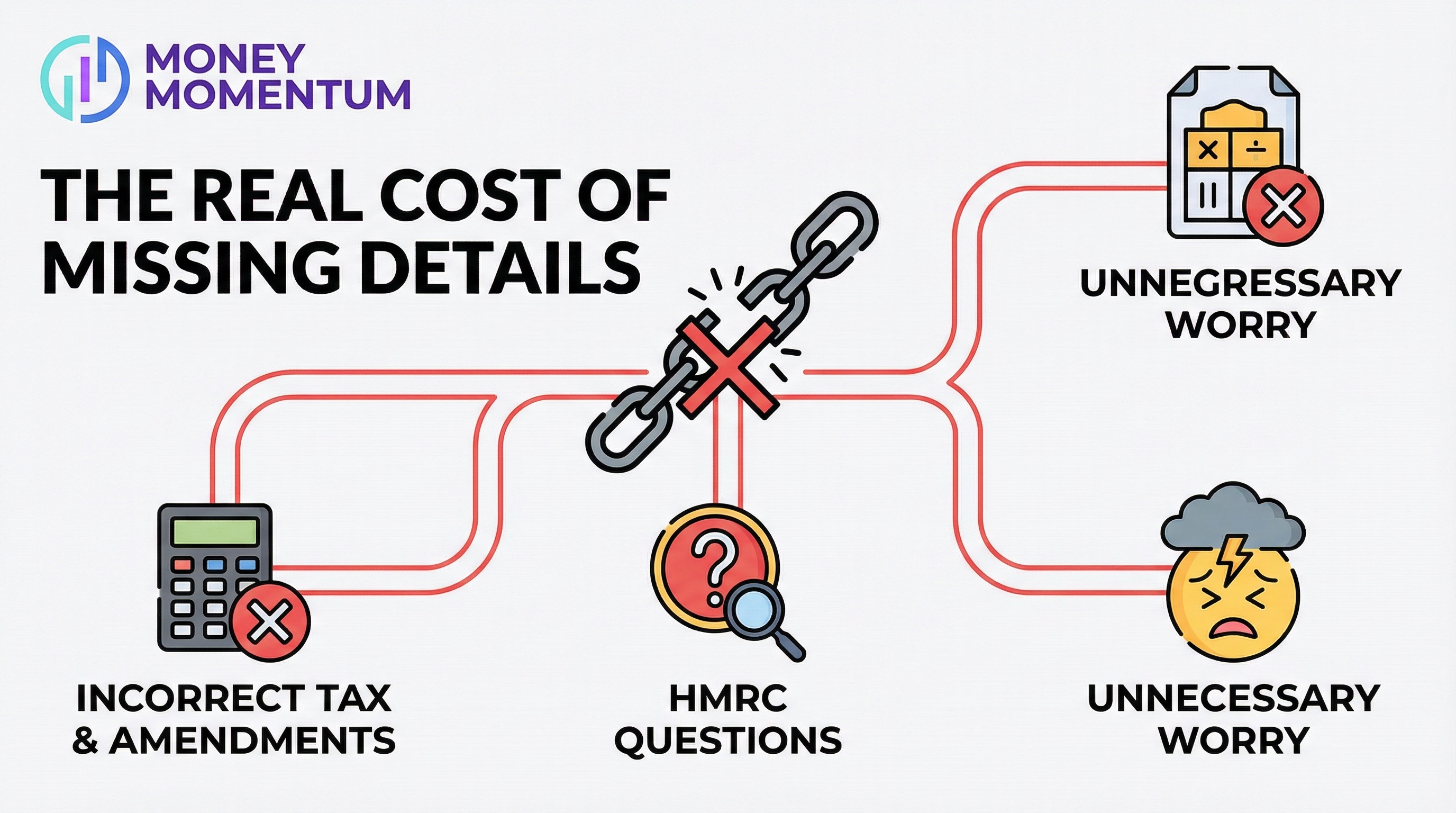
Missing or unclear information can lead to:
-
Incorrect tax calculations
-
Overpaying or underpaying tax
-
Amendments later
-
HMRC questions
-
Unnecessary worry
None of that helps anyone.
And most of it is completely avoidable.
What helps your accountant help you
You don’t need to be perfect.
You just need to be clear.
What helps most:
-
Answering questions honestly
-
Saying “I’m not sure” when you’re not sure
-
Sending information as it comes, not all at once
-
Asking why something is needed if you’re unsure
A good accountant would much rather explain than guess.
This is where trust is built

When an accountant asks questions, it’s usually a sign they care about doing things properly.
It means:
-
They’re paying attention
-
They’re thinking ahead
-
They’re protecting you
Silence and assumptions are far more dangerous.
Final thought
Good accounting isn’t fast.
It’s accurate.
And accuracy comes from asking the right questions at the right time.
Once you see it that way, those emails stop feeling annoying.
They start feeling reassuring.